Sustainable consumption starts in our daily lives –
our workshop with MyClimate
Together with our apprentices, we are raising awareness of
sustainable practices.
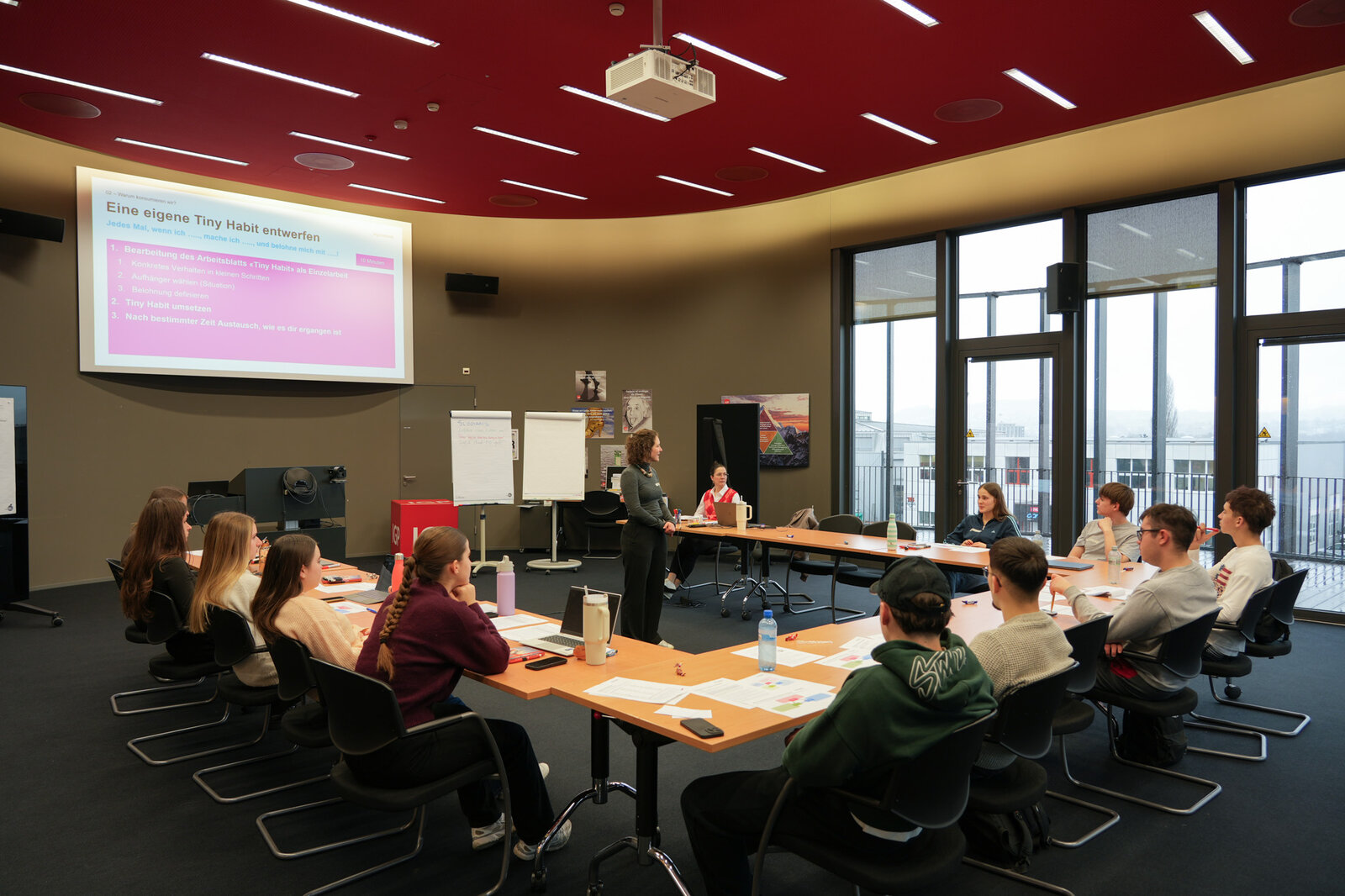
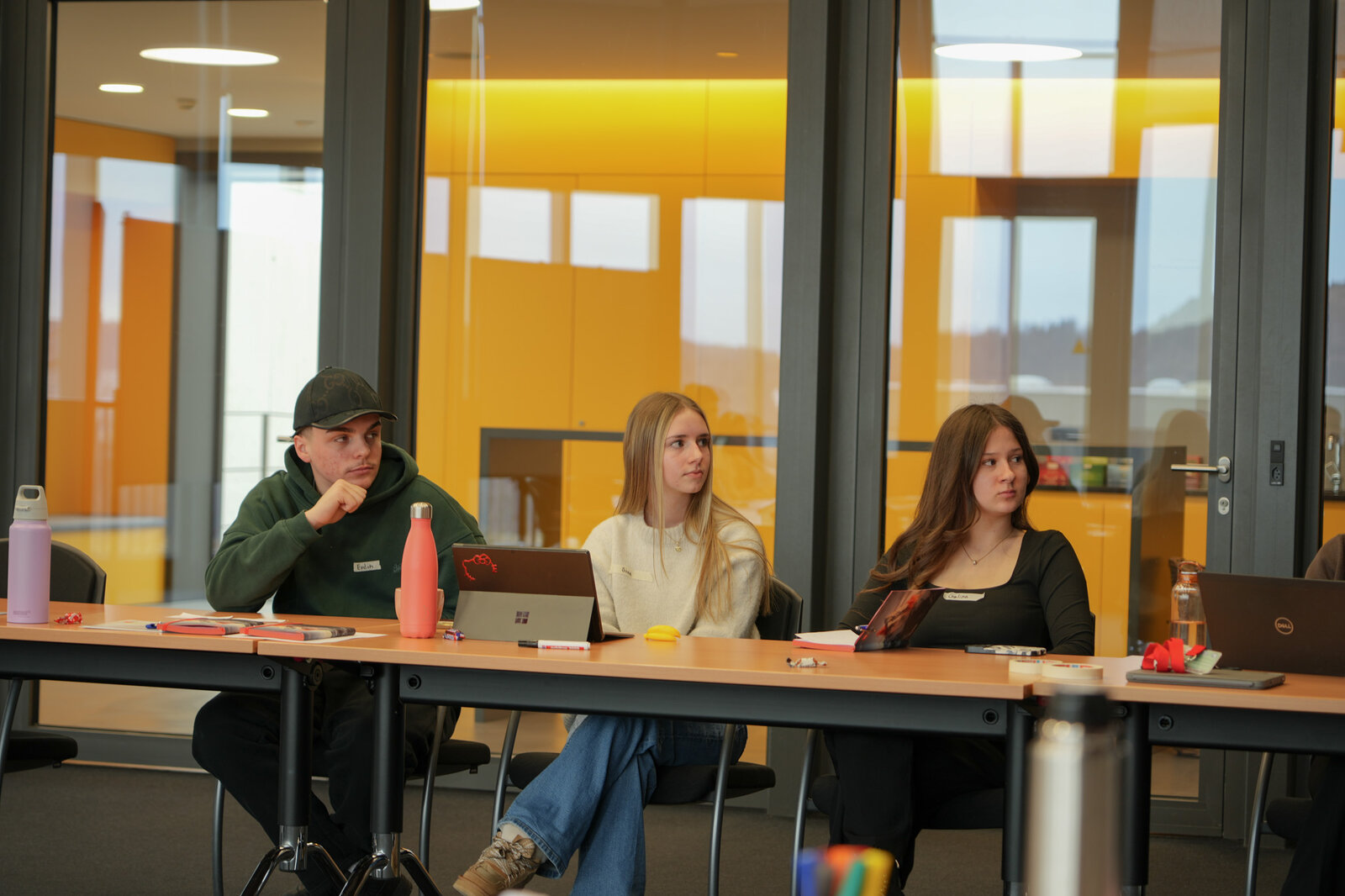
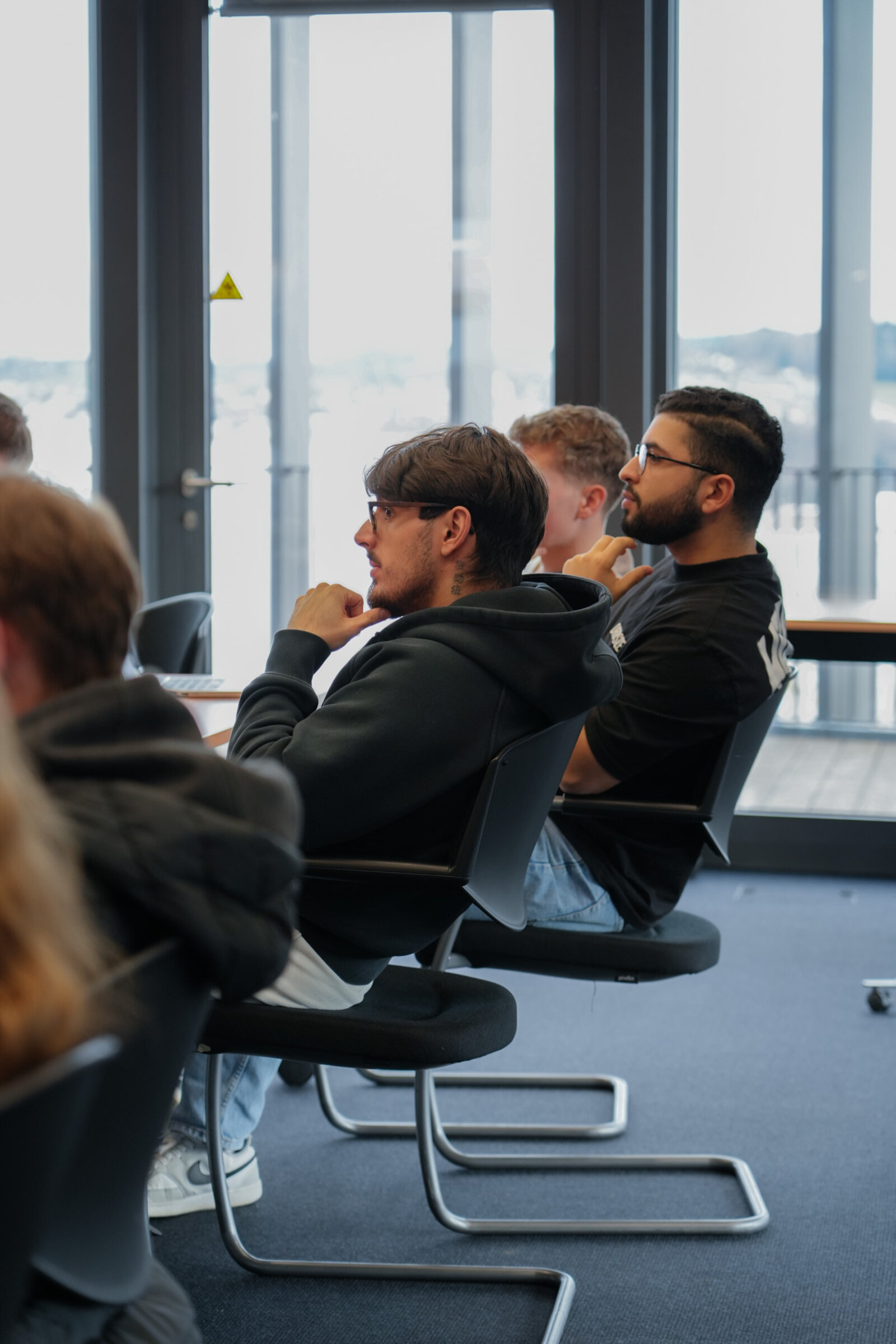
How does our consumption affect the climate, and what steps can we take in our daily lives? These questions were at the heart of our joint learning project with myclimate. Over the course of two intensive workshop days, our students explored the connections between consumption, climate, and personal behavior, gaining an understanding of how individual decisions can make a difference.
They began by covering the basics: Which areas of our daily lives generate the most emissions? How are diet, transportation, clothing, and digital devices linked to our ecological footprint? Through concrete examples, it became clear just how closely our consumption is tied to global impacts. The students analyzed their own footprints and recognized where even small changes can make a difference.
In the second part of the workshop, the focus shifted to the question of why we consume in the first place. Our values, habits, and routines shape our behavior more than we often realize. “Automatic is convenient—conscious is hard” became a guiding principle: How do habits form, and how can they be changed? The students learned about methods such as nudges—gentle prompts toward better decisions—and Tiny Habits, small new routines that can have a long-term impact. They developed their own ideas for IGP and formulated personal Tiny Habits to guide them in their daily lives moving forward.
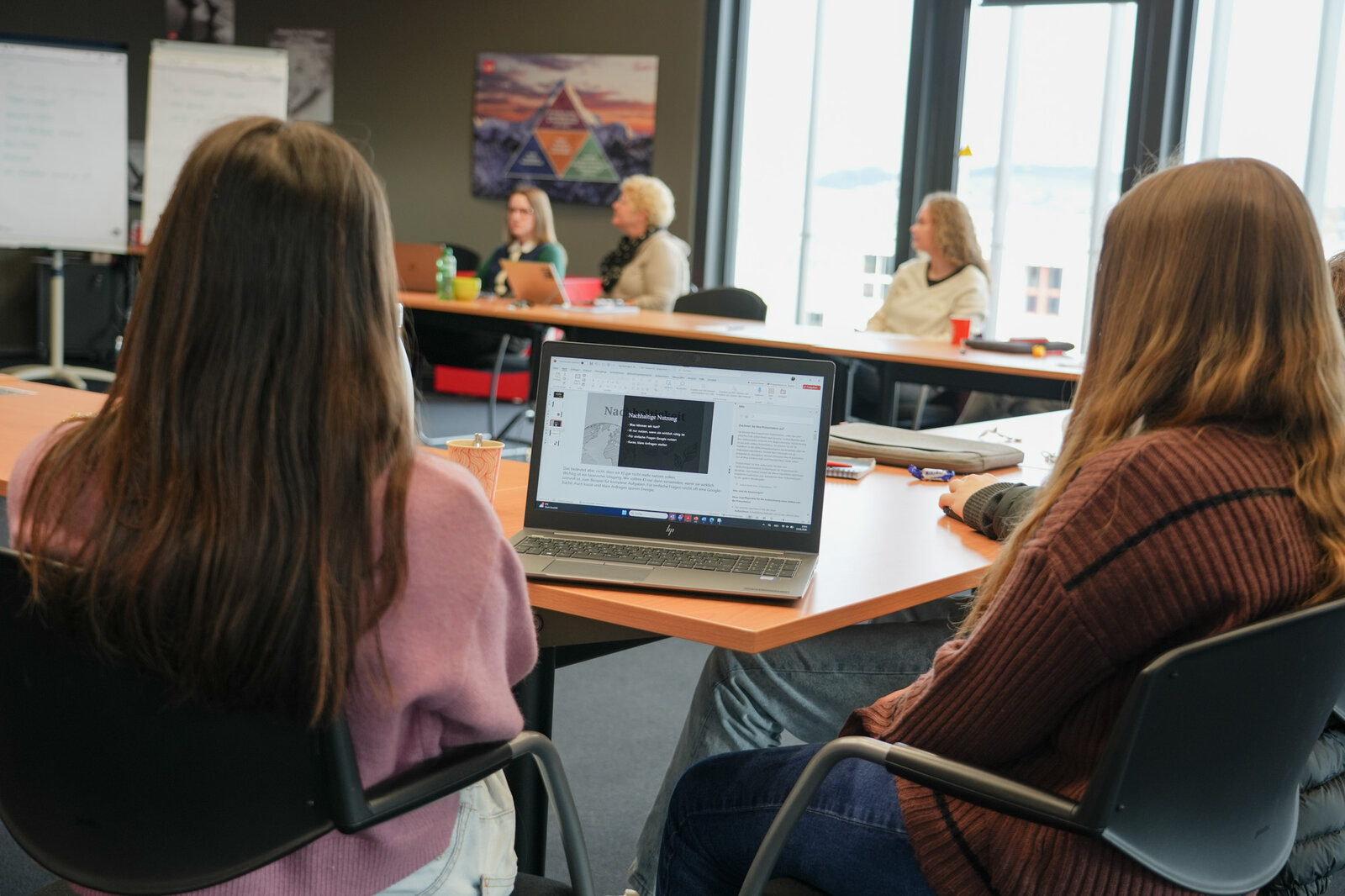
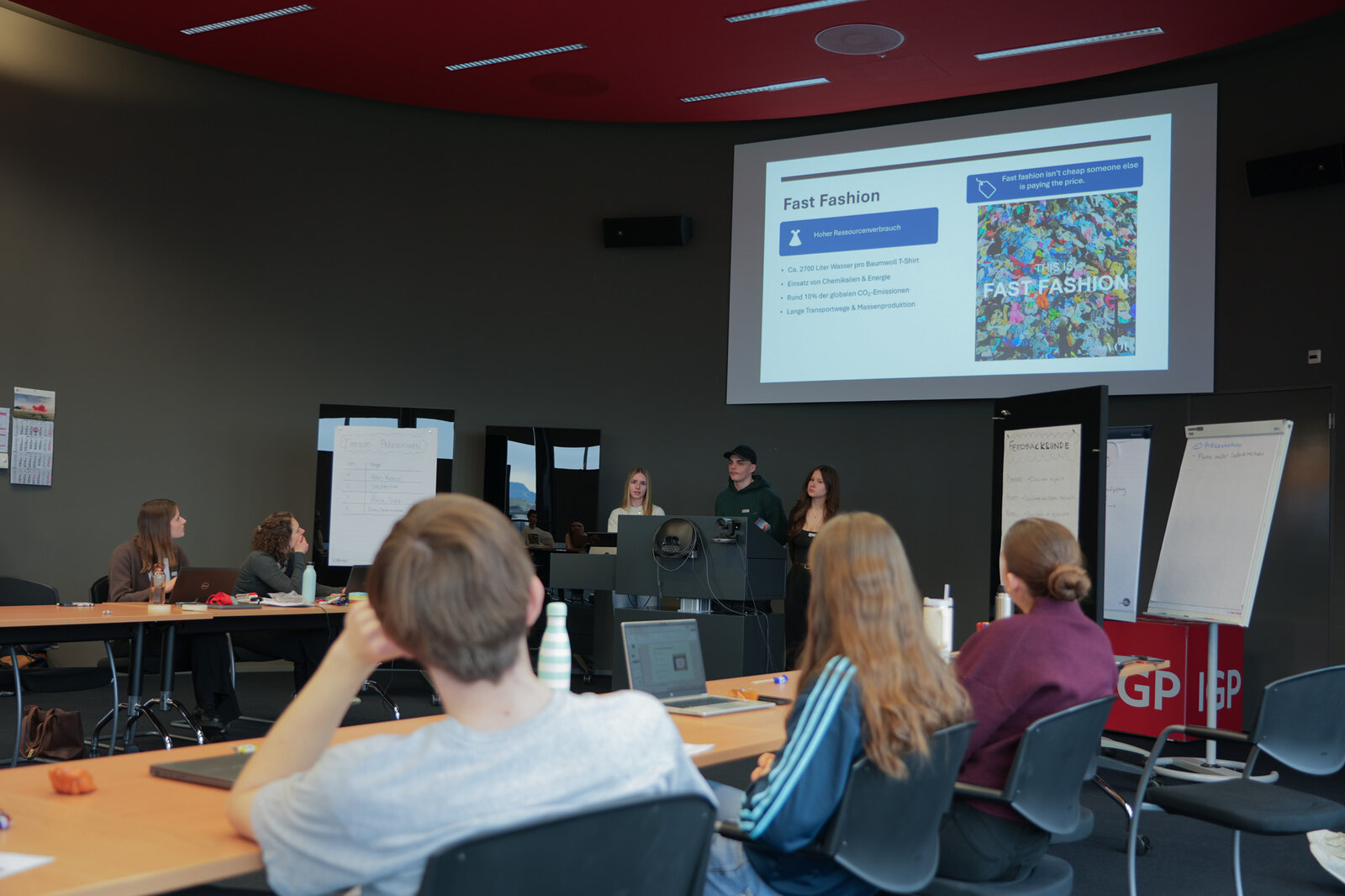
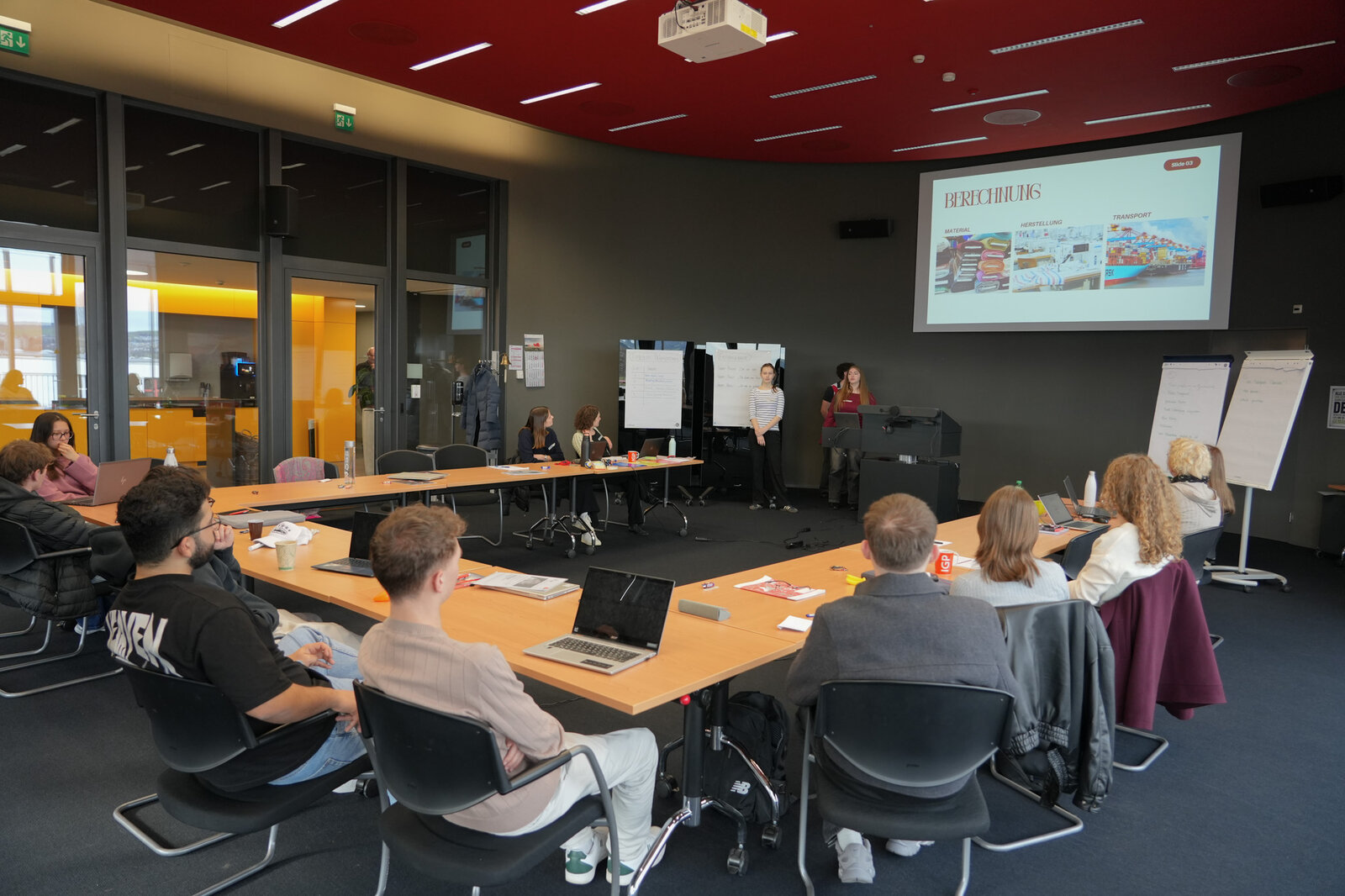
A particular highlight was the students’ project work. They presented topics such as clothing consumption, the life cycle of a smartphone, artificial intelligence, and the sustainability of major sporting events. The diversity of approaches demonstrated how broadly sustainable consumption can be conceived and what exciting insights each group was able to draw from it.
To wrap up, the apprentices explored the options available for responsible consumption. Sustainable consumption isn’t just about reducing CO₂ emissions; it also involves consciously questioning, repairing, reusing, and reducing. The discussions made it clear: sustainability starts small—with our decisions, our habits, and our values.
If you’d like to get a glimpse of the project work, you can download the apprentices’ magazine here.